
Böker Tiger Damascus Knife - Frankonia Wholesale B2B ✓ Germany ✓ International

Böker Tiger Damascus Knife
&quality=40)
&quality=40)
&quality=40)
&quality=40)
&quality=40)
&quality=40)
&quality=40)
&quality=40)
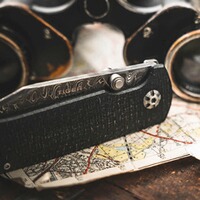&quality=40)
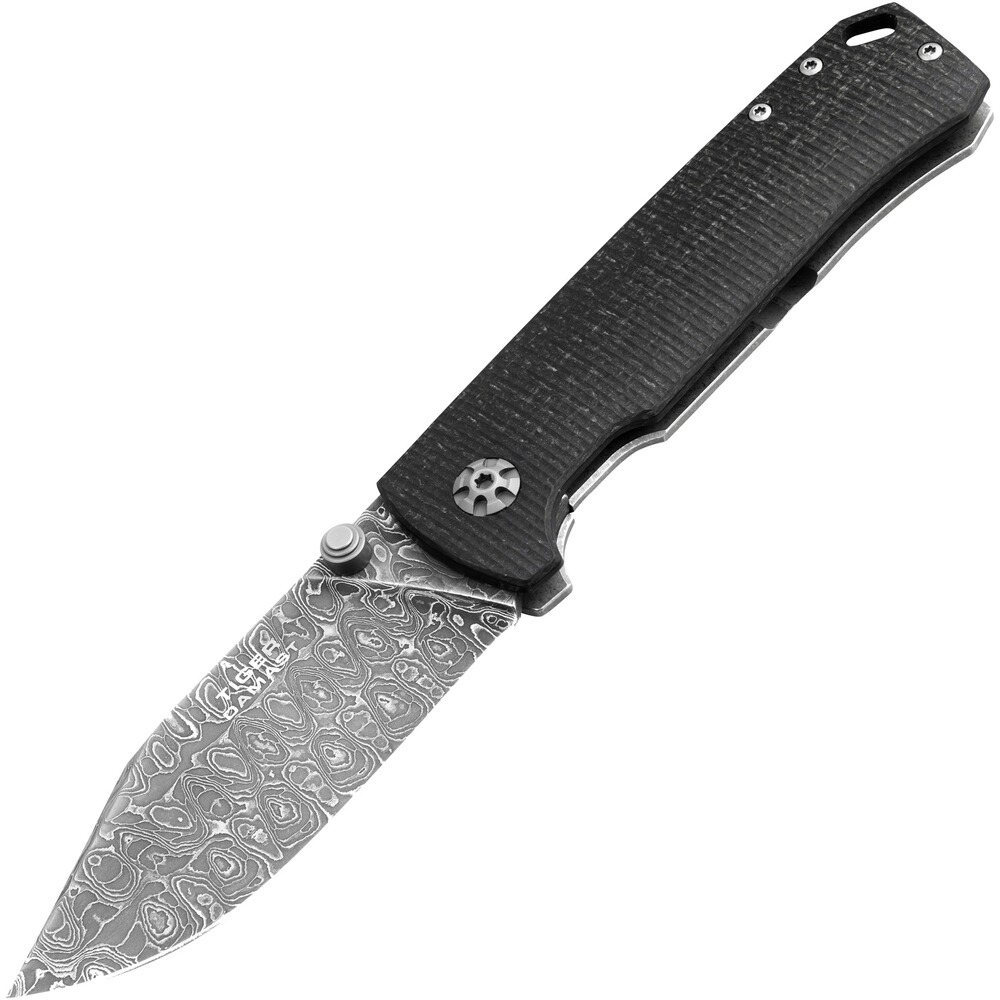&quality=40)
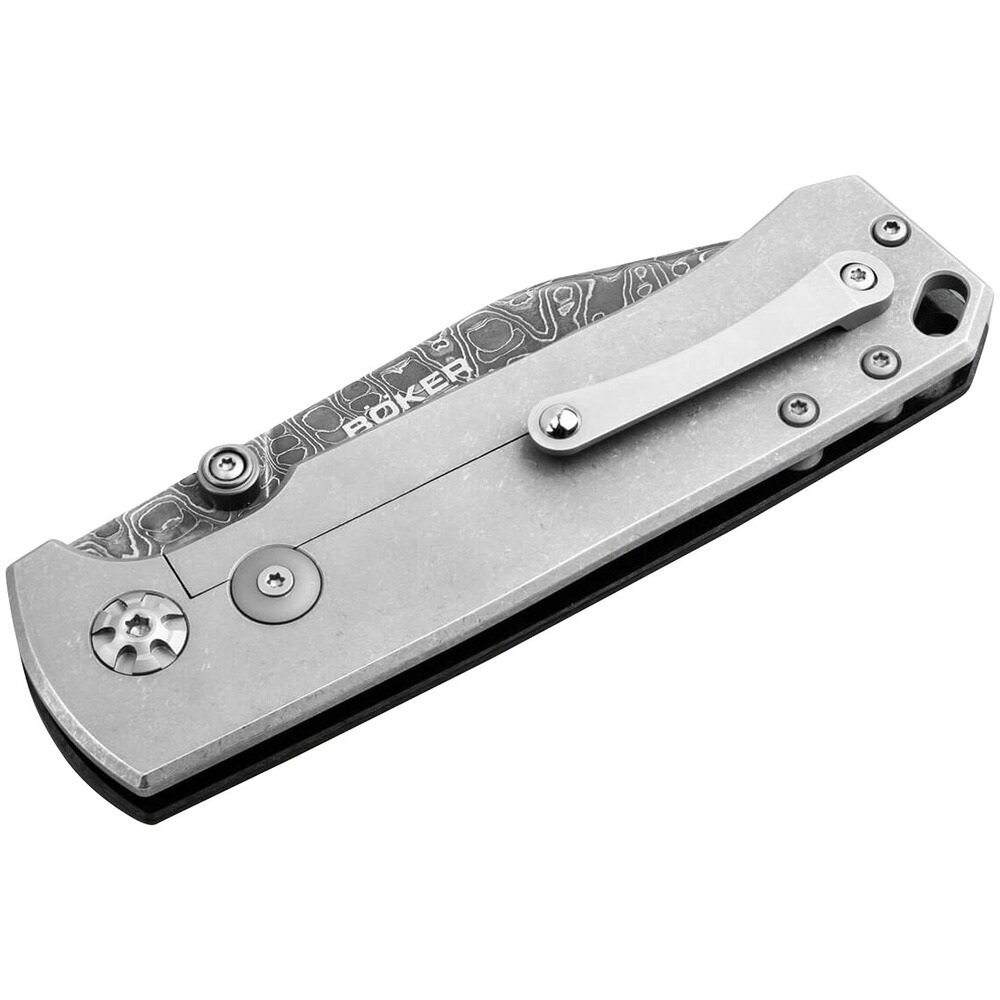&quality=40)
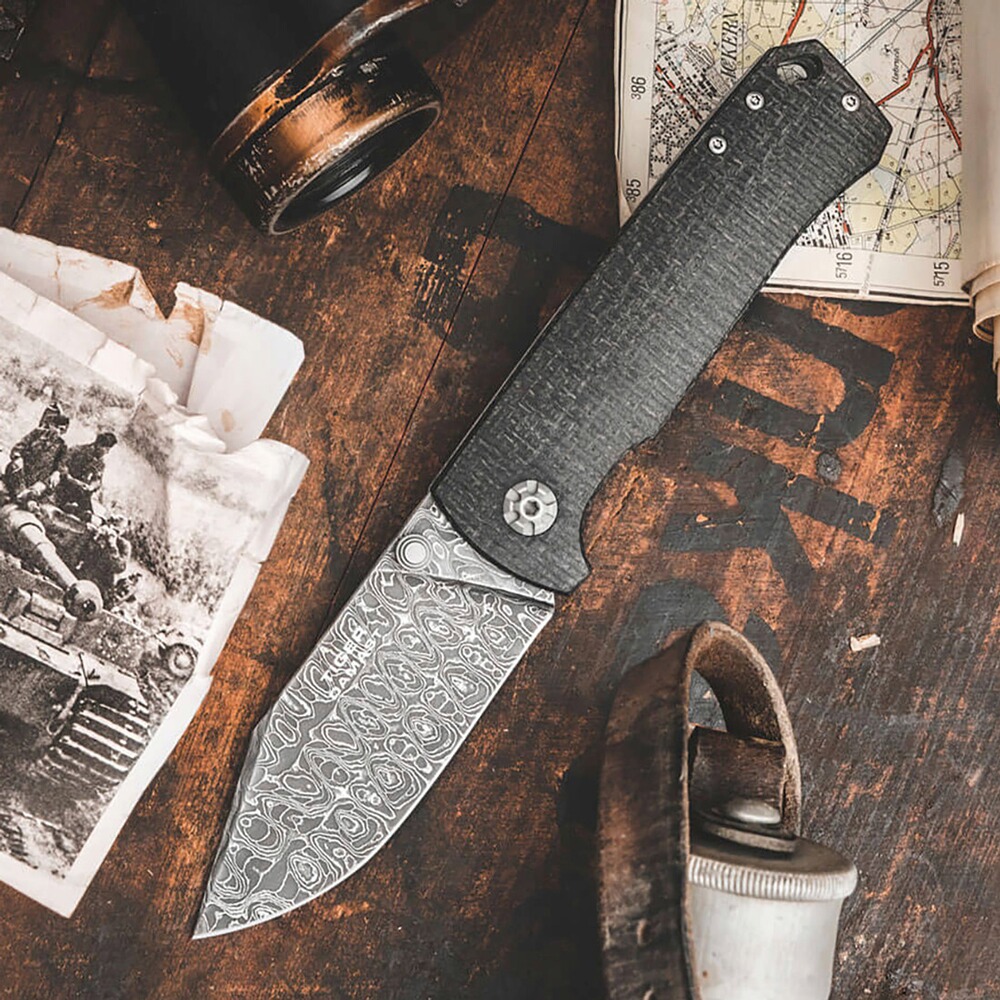&quality=40)
&quality=40)
&quality=40)
&quality=40)
&quality=40)
&quality=40)
&quality=40)
Böker Tiger Damascus Knife
PRODUCT DETAILS
- real piece of living history
- unique damascus blade
- blade with ball bearings
- handmade
- with certificate of authenticity
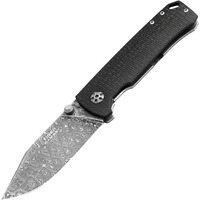
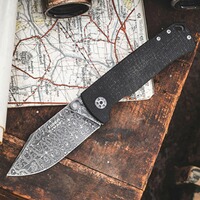
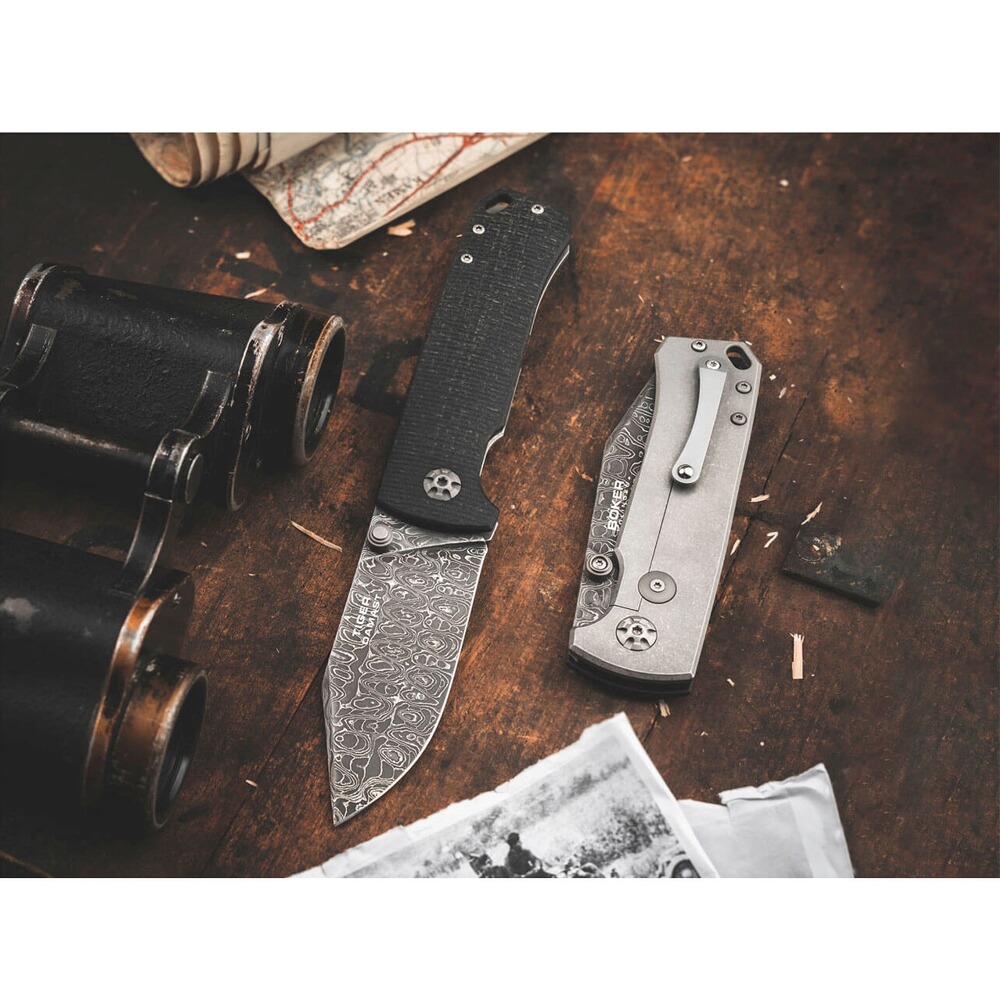
The impressive Böker Tiger-Damascus is expanding the series of historic pocket knives with a very special model. The collector's knife with a historical past is a real piece of living history and combines high-quality craftsmanship with authentic materials.
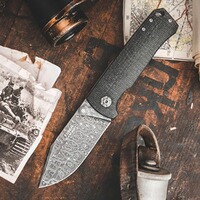
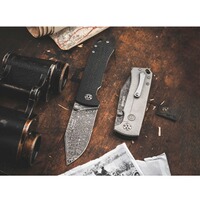
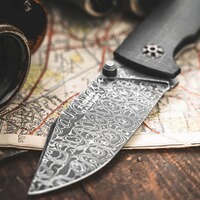
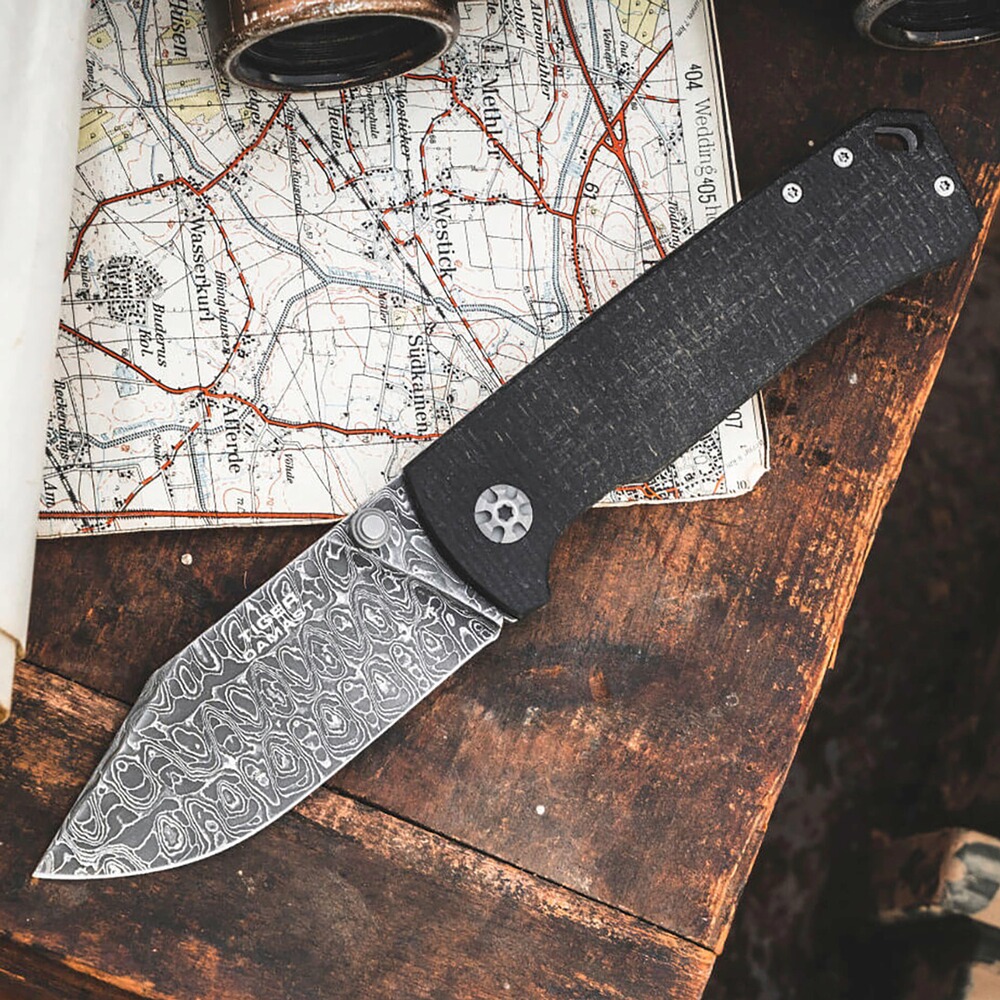
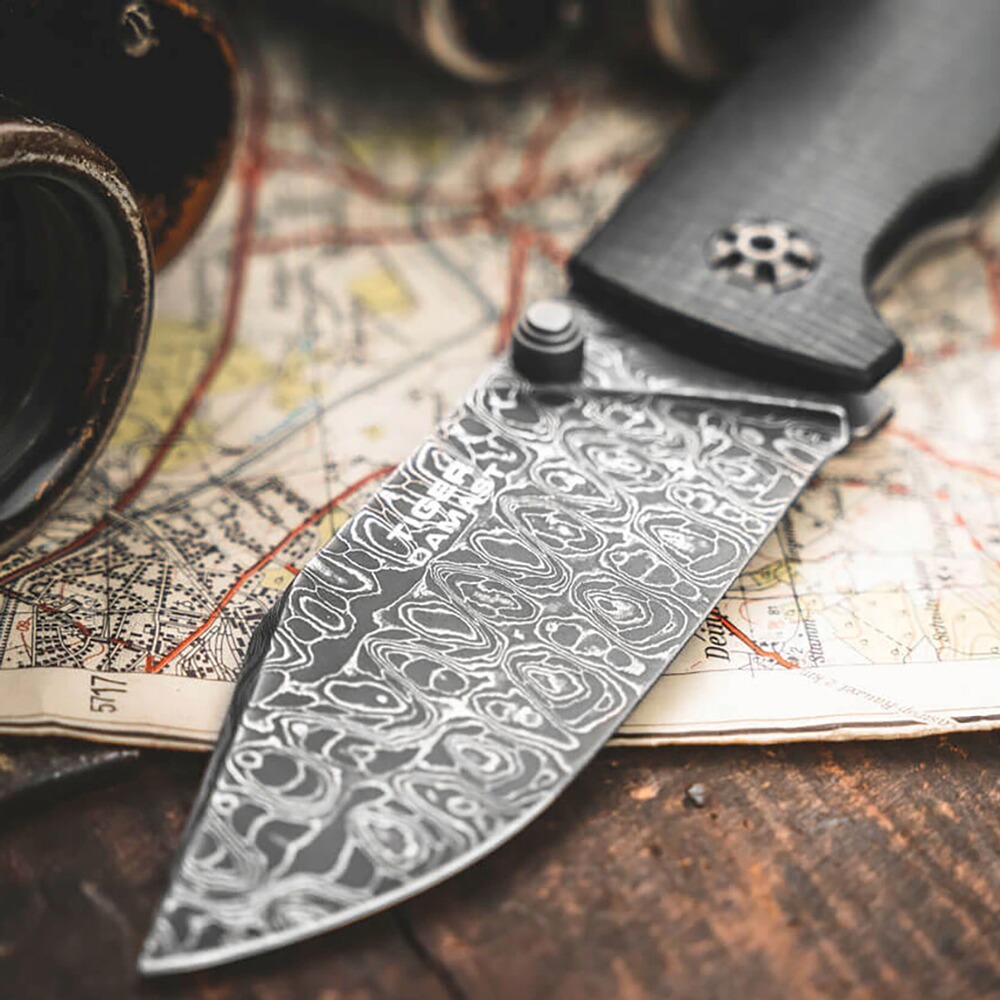
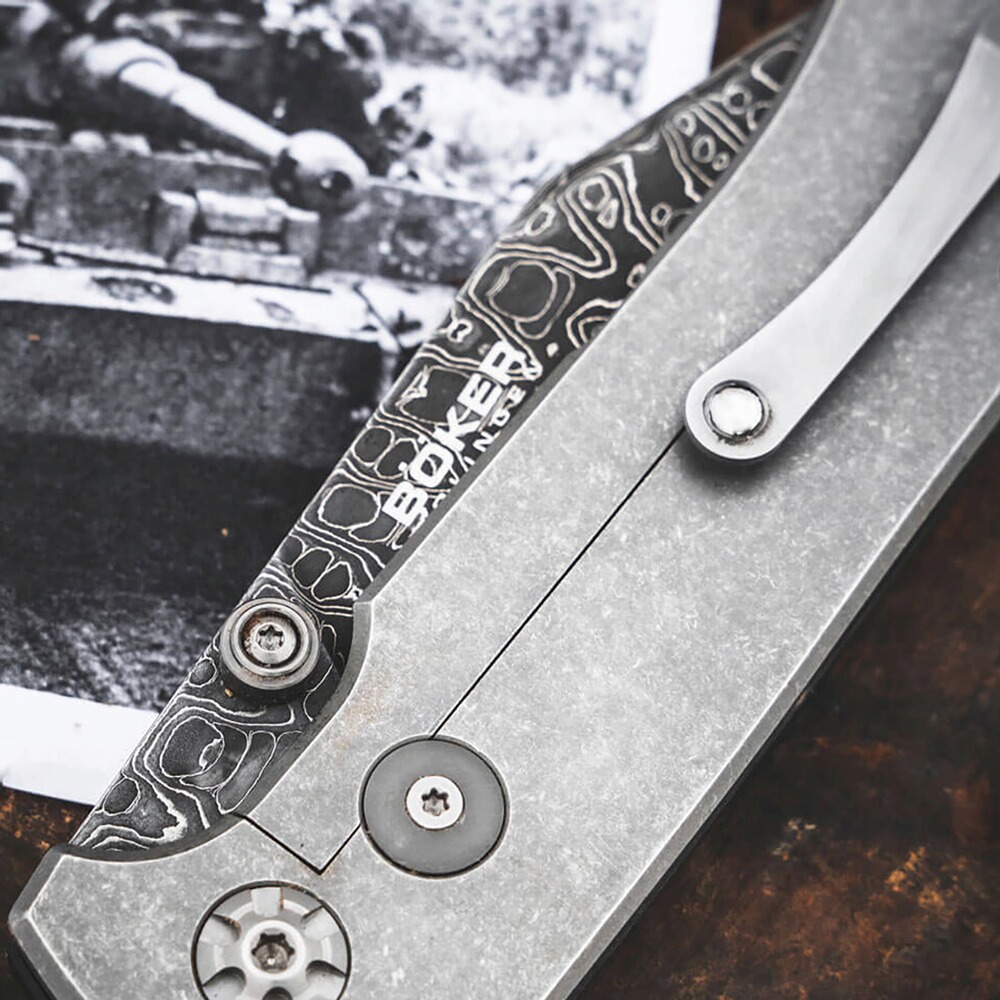
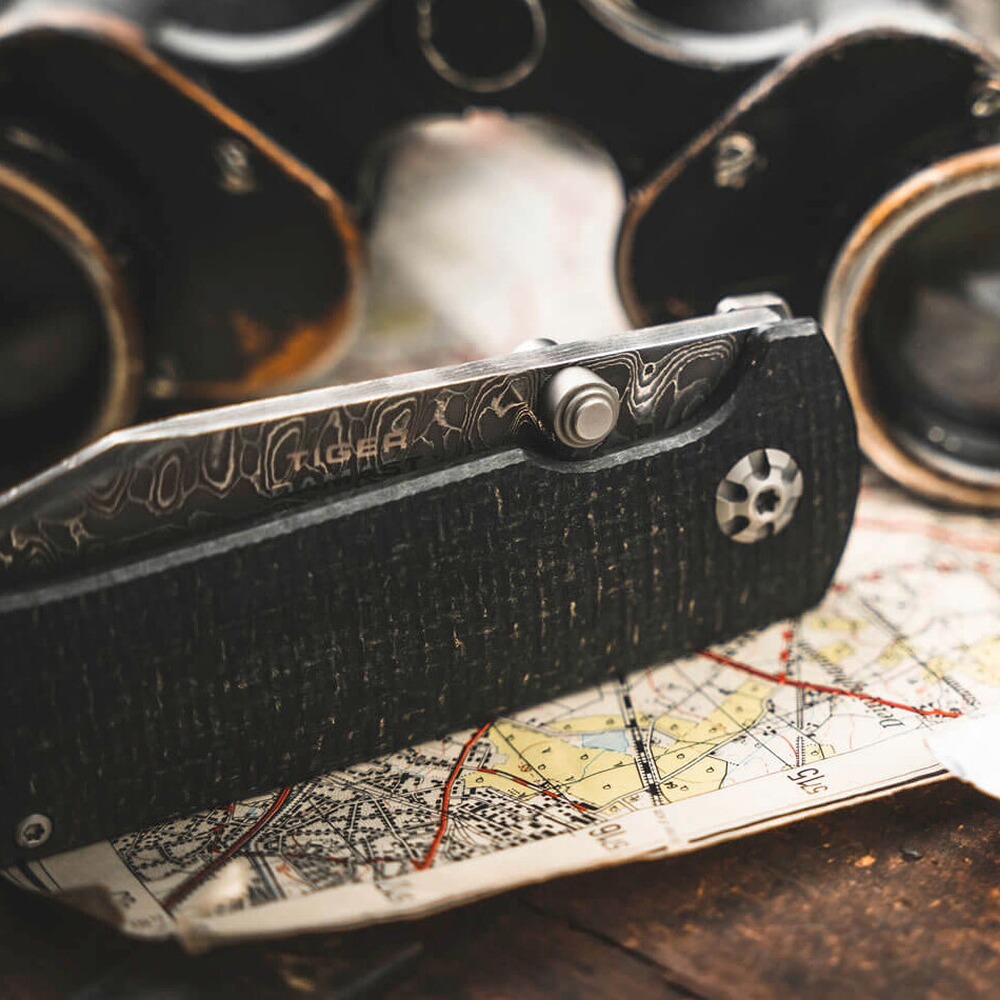
The straight Böker Tiger Damascus features a unique Damascus blade made from the steel of the battle tank destroyed at Bauska. The non-stainless mosaic damask is hand forged by Chad Nichols in the Intrepid pattern and is reminiscent of the armor marks left in the ground by the Tiger's heavy tracks. Unlike conventional damask, when producing mosaic damask, no layers are created, but rather complex damask bars are forged by hand into a mosaic in a complex and very complicated process.
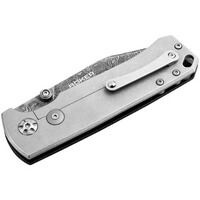
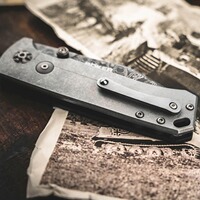
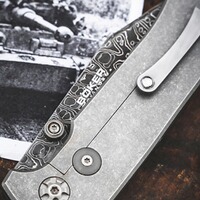
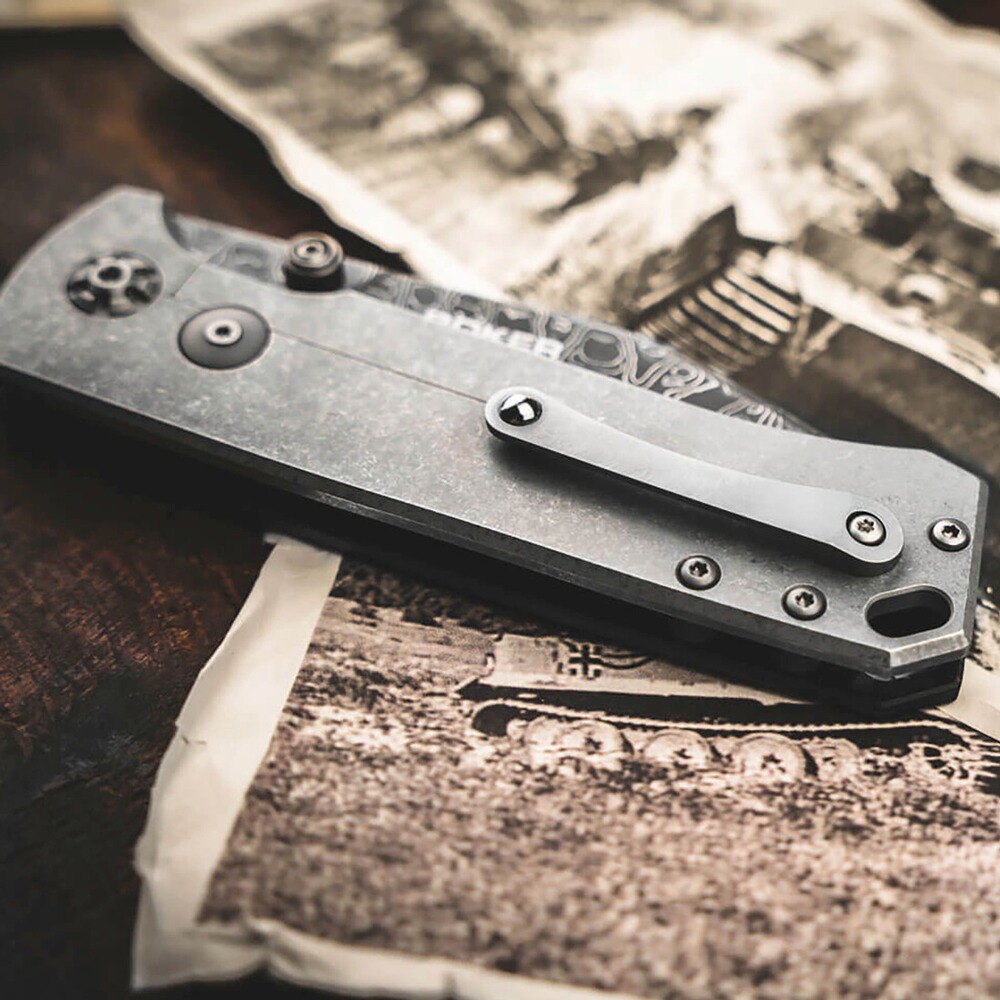
The ball-bearing blade is opened with a thumb pin and locked by a sturdy steel frame lock with a stonewash finish; a Hinderer lock-stop acts as over-expansion protection for the lock. The overall shape of the knife pays homage to the famous lines of the tank, while the decorative blade axle screw is modeled after the main drive sprocket. The slightly contoured handle made of Jute Micarta has precisely milled grooves and is reminiscent of the characteristic surface structure of the Zimmerit coating on German armored vehicles. With lanyard eyelet and milled clip (tip-up/r) with steel ball. Handmade in the Böker Knife manufacturer Solingen. Delivered with an elegant floating display, certificate of authenticity and individual serial number.
Technical specifications:
- Total length 19.8 cm
- blade length 8.5 cm
- blade thickness 3.6 mm
- weight 141 g
- blade material: damask
- handle material: micarta
- opening aid: thumb stud
- opening: manual
- closure: frame lock
The Panzerkampfwagen VI, known worldwide as the Tiger, was deployed by the Wehrmacht from late summer 1942 onwards and, despite its modest production run of only 1,350 units and the resulting limited strategic importance, is considered one of the most famous tanks in history. The development of this heavy tank can be traced back to 1937, with series production beginning in August 1942. Today, only seven surviving examples exist, scattered around the world. Due to their scarcity, the so-called Frankentiger was even assembled from wreckage parts from various production years for this purpose.
The tank parts used by Böker, however, come from a Tiger I of Heavy Panzer Battalion 502, which was destroyed in combat in the summer of 1944 in Latvia in a heavily wooded area near the town of Bauska. Based on the wreckage found at the original excavation site, it was determined that this Tiger was an early to mid-production model. An examination of the combat damage to the remains, military records, and local historical accounts revealed that this Tiger tank collided with both a Russian T-34 medium tank and an SU-76 self-propelled gun, and was also damaged by a stationary 45mm anti-tank gun. It remains unclear which of the impacts caused the most damage and sealed the Tiger's fate. However, since several 76mm fragments were embedded in the heavy armor, it is assumed that a nearby T-34 landed the decisive hits before it too was destroyed 300 meters away.
Otto Carius and Albert Kerscher, two of the most successful tank commanders of the Second World War, attempted to halt the Soviet advance on Riga with Heavy Panzer Battalion 502. The battalion decisively defeated the enemy blocking forces at Tukums, forcing it to retreat to Courland, Latvia, along with over 500,000 other soldiers of Army Group North. There, the forces were encircled by the Soviet advance. The Courland Pocket served as a bridgehead and was supplied by the German Navy via sea. It withstood six major Soviet attacks until the unconditional surrender on May 8, 1945.
Please note that one-handed knives are subject to the prohibition on carrying weapons according to §42a of the Weapons Act.
Manufacturer
EU Responsible Person
| Data | Values |
|---|---|
| Total length in cm | 19.8 |
| Blade length in cm | 8.5 |
| Blade thickness in mm | 3.6 |
| Blade steel | Damast |
| Blade lock | Framelock |
| Handle length in cm | 11.3 |
| handle material | Micarta |
| including knife sheath | nein |
| Sheath/case material | - |
| EAN Code | 4045011241581 |
Documents (PDF) | |
 | Test Heft Juni 2022 |